
What Makes the Best Turtle Soup in Singapore Truly Unique?
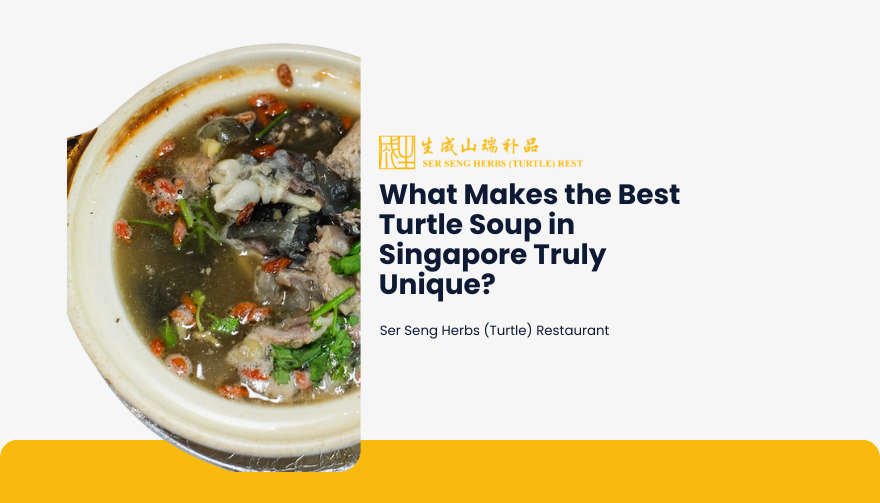
Among Singapore’s many culinary treasures, few dishes carry as much history and comfort as turtle soup. Known for its rich, savoury flavour and nourishing properties, this traditional delicacy continues to draw diners who appreciate its unique blend of taste and tradition.
The Origins and Cultural Significance of Turtle Soup
The origin of turtle soup in Singapore is said to be brought from China, where the dish was once served to royalty. In the early days of Singapore, it was regarded as a restorative dish that strengthened the body and promoted vitality. Over the decades, it evolved from a rare luxury into a cherished comfort food, one that brings families together around shared memories and time-honoured recipes.
Key Ingredients That Define the Best Turtle Soup
Choosing the Right Turtle Meat
At the heart of every bowl lies the turtle meat itself. Properly prepared meat delivers its tenderness without a gamey taste. Skilled chefs remove excess oil and skin before cooking, ensuring a clean and balanced texture.
Many of Singapore’s respected eateries, such as Ser Seng Herbs (Turtle) Restaurant, emphasise ethical sourcing and careful handling. Their approach preserves the integrity of the meat, which, when simmered gently, absorbs the herbal broth beautifully.
Signature Spices, Herbs, and Broth Base
The broth is where the true magic happens. Traditional recipes combine Chinese herbs, ginger, and ginseng, along with wolfberries, angelica root, and red dates. These ingredients create a savoury and aromatic base that nourishes as much as it satisfies.
The soup is slow-simmered for hours, allowing the flavours to develop gradually and the natural sweetness of the broth to shine through. The result is a dish that embodies balance, rich yet refreshing, hearty yet light.
The Cooking Process That Defines Excellence
At Ser Seng Herbs (Turtle) Restaurant, the turtle soup is prepared using the double-boiling method, a traditional cooking process that gently draws out the soup’s full flavour while preserving its clarity and nutrition.
The herbs and turtle meat are sealed inside an inner pot, which is then placed within a larger vessel of simmering water. This indirect heat ensures slow, even cooking, preventing the broth from becoming cloudy or losing its natural sweetness.
Even though modern pressure cookers are faster, the double-boiling allows the ingredients to release their essence gradually, resulting in a more refined, aromatic broth. It’s this level of care that defines the establishment as the favourite turtle soup in Singapore.
Tasting and Serving the Best Turtle Soup
How to Appreciate the Flavour and Texture
The unique flavours of turtle soup emerge from a blend of herbal aroma, gentle savouriness, and subtle sweet undertones. At its best, the broth is richly aromatic, slowly simmered with herbs such as codonopsis pilosula (Dang Shen (党参)), solomon’s seal rhizome (Yu Zhu (玉竹)), and angelica root (Dang Gui (当归)), and accented with white pepper or ginger for a mild peppery kick.
The meat should be tender yet retain some structure; the delicate, collagen-rich parts lend a gently chewy texture, while the leaner flesh absorbs the herbal infusion and slowly releases its flavour.
A well-prepared bowl balances these elements: a broth with depth but without greasiness, herbs that enhance rather than overpower, and meat that invites each bite without falling apart. This harmony of taste, texture, and tradition gives turtle soup its distinctive place in Singapore’s culinary heritage.
Perfect Pairings and Traditional Accompaniments
Locals often enjoy turtle soup with steamed white rice or even yam rice, letting the grains soak up the broth’s complex flavours. Some pair it with ginseng wine or warm herbal tea, both of which complement the soup’s natural warmth. The experience is meant to be slow and satisfying, a moment of calm amid Singapore’s busy dining culture.
Health Benefits and Misconceptions
For centuries, turtle soup has been treasured in many Asian cultures as a dish of strength and vitality. It is known for being high in protein yet low in fat, making it both nourishing and light. The soup’s natural collagen is believed to support healthy skin, ease joint pain, and improve overall energy levels.
In Traditional Chinese Medicine (TCM), turtle soup is often seen as a restorative food. It is said to “nourish the blood,” balance the body’s energy (qi), and help recovery after illness or fatigue. Some families prepare it during festive seasons or for loved ones who need an extra boost of health and warmth.
However, not all beliefs about turtle soup are based on modern science. While it is nutritious, claims of it being a “miracle cure” are often overstated. It’s also important to choose sources that are sustainable, as some turtle species are protected.
Enjoyed in moderation and with respect for tradition, turtle soup remains a symbol of care, vitality, and cultural heritage passed down through generations.
Final Thoughts: Experience the Best Turtle Soup in Singapore
In a dining landscape filled with trends, turtle soup stands out as a dish that connects culture, wellness, and taste. Whether you’re exploring local heritage foods or simply craving something hearty and restorative, a visit to Ser Seng Herbs (Turtle) Restaurant offers an experience that nourishes both body and soul. For decades, this heritage establishment has served generations of locals who value flavour, consistency, and the warmth of this popular dish.
Frequently Asked Questions (FAQs)

Other Entries
Health Benefits of Eating Turtle Soup
Since the dawn of Chinese cooking, turtle soups have been perceived as a luxurious delicacy that contains Read More
Unique Fitness Food That Will Turn You into a Health Buff
Would you consider yourself as a health buff? Or are you working your way towards becoming one? Keeping Read More
How Exactly Does a Turtle Soup Taste?
Everyone has their favourite dishes. It can be a savoury plate of fried chicken, or a serving of steamed Read More
